Getting care shouldn't be a journey
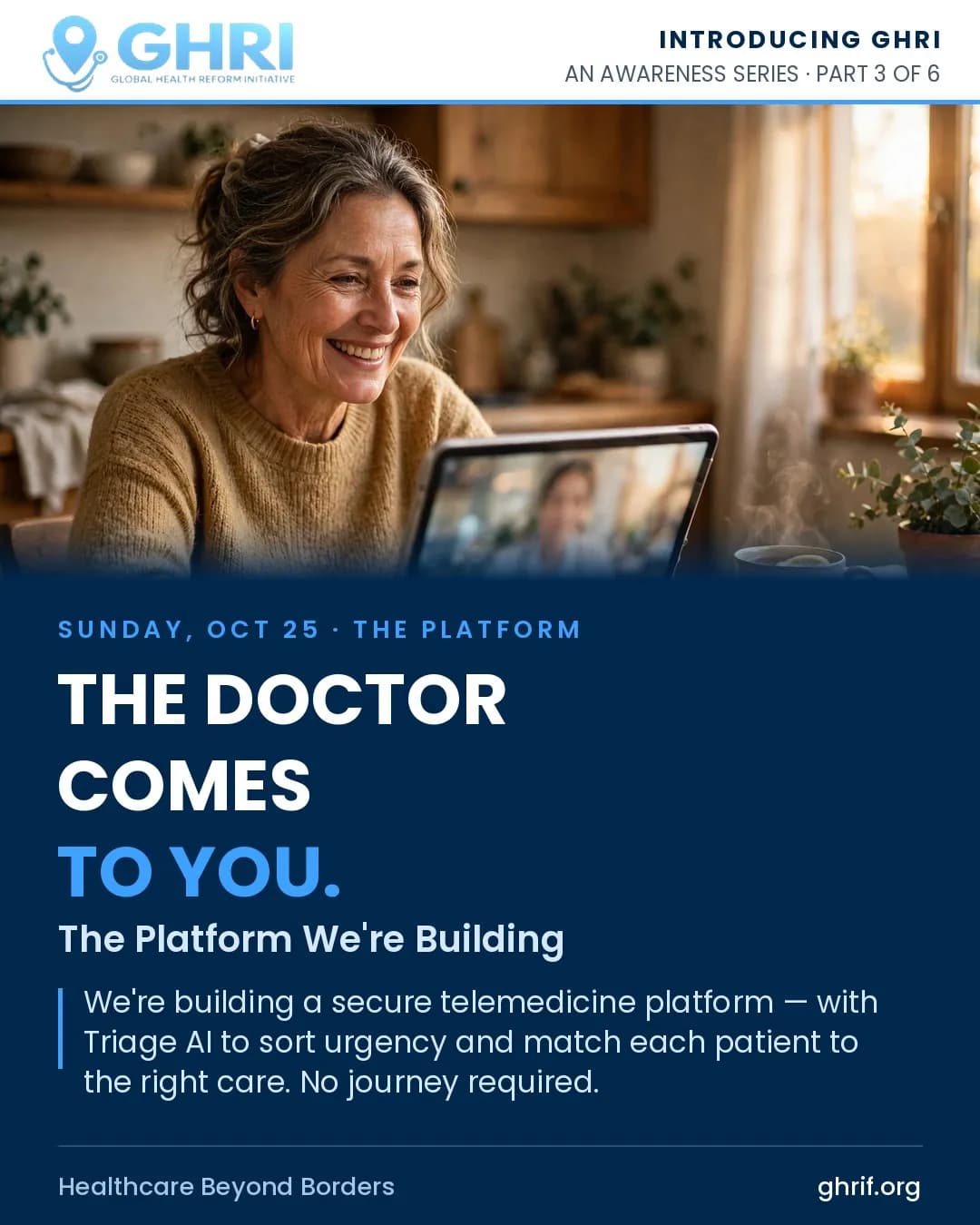
For too many families, getting care isn't a simple trip — it's a journey. The nearest clinic can be hours away. The cost can mean choosing between treatment and food. And in many places, there simply aren't enough doctors and nurses to go around.
A parent weighing bus fare against groceries. A farmer whose symptoms wait until they can't. An older person whose check-up depends on whether someone can drive them. These are everyday decisions in rural and underserved communities — and they happen long before medicine enters the picture.
The medicine exists. Access doesn't.
Modern medicine can treat more conditions than at any point in history. Vaccines prevent diseases that once devastated whole regions. Chronic conditions can be managed for decades. The knowledge exists, the treatments exist — what is missing is the road between the patient and the care.
That road is blocked by barriers that have nothing to do with science: distance, cost, workforce shortages, weak infrastructure, and systems that were never designed with remote communities in mind.
Closing the gap
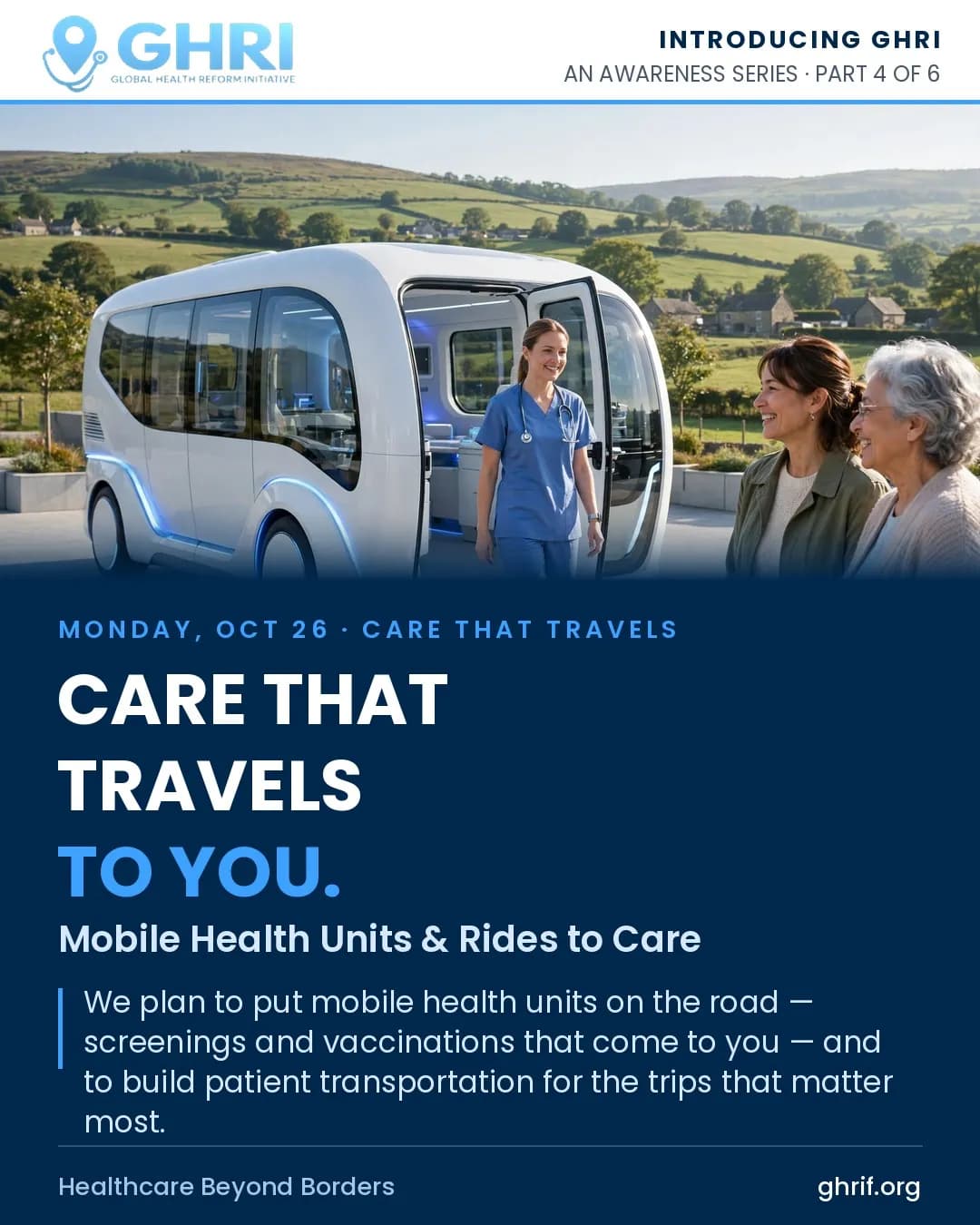
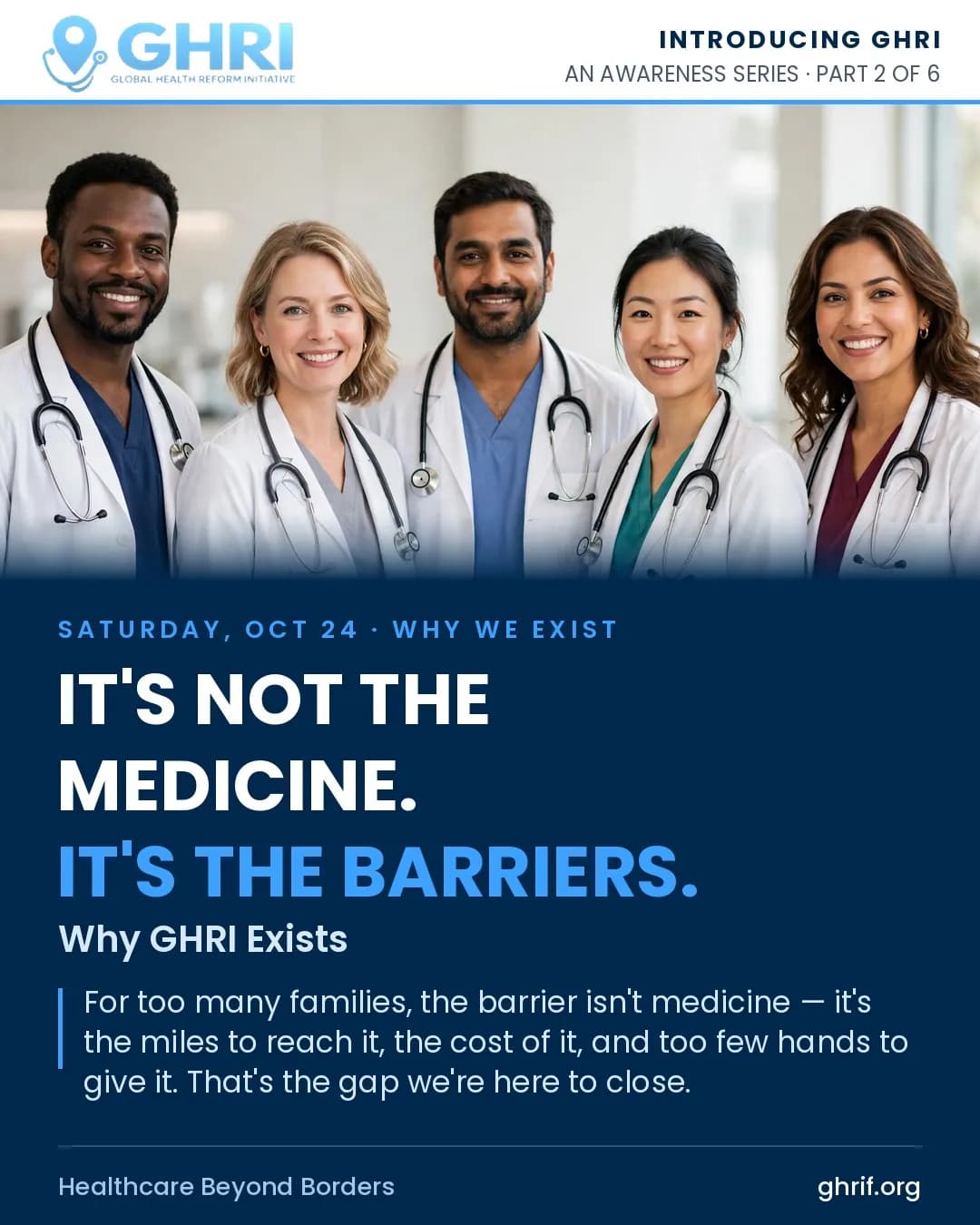
GHRI was founded to close that gap. That's why we're building care that travels, care that connects, and a volunteer team that reaches further — a telemedicine platform to bring consultations home, mobile health units to bring the clinic to the community, and transportation to bring patients to the appointments that matter most.
Remove the barriers, and the medicine can finally do its job.
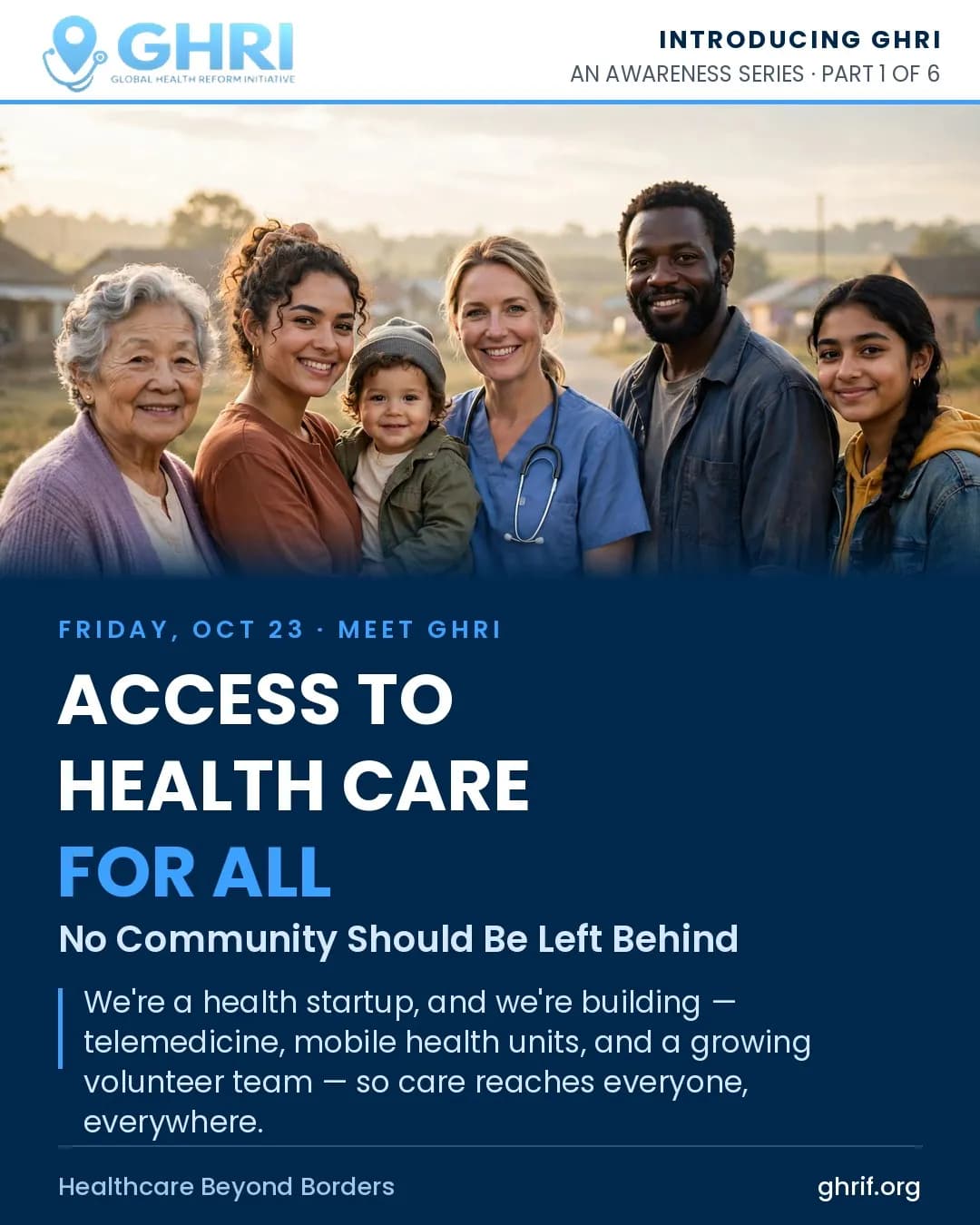
Access to health care for all.
GHRI is building telemedicine, mobile health units, and patient transportation for underserved and rural communities — powered by volunteers. Join us, or support the mission.
The GHRI Team
GHRI
GHRI is building digital infrastructure — including an automated Triage AI system and a secure telemedicine platform — to eliminate administrative barriers, optimize volunteer-led medical care, and expand healthcare access for underserved and rural communities.